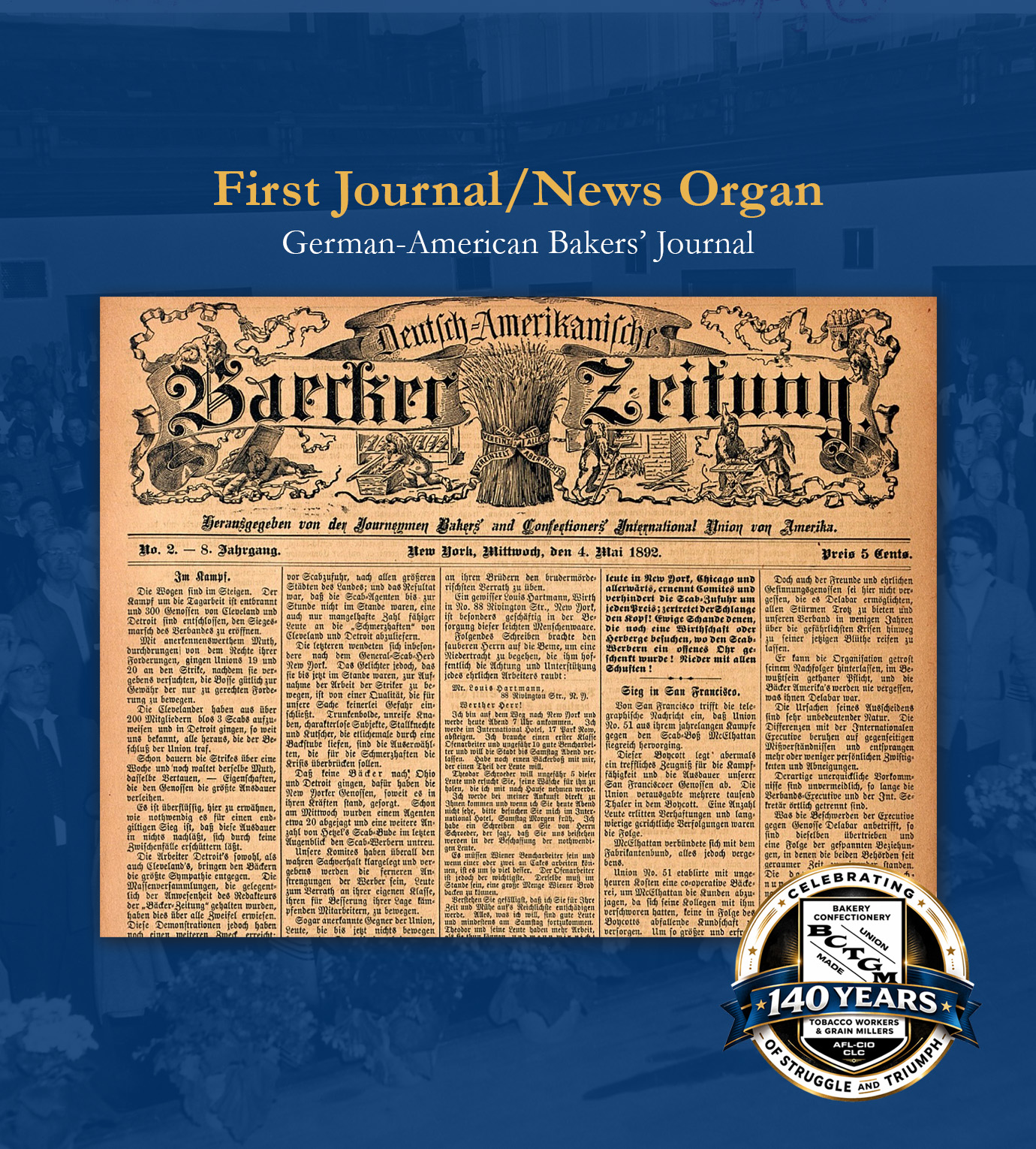
It was a Bohemian immigrant named George Block, with a background in journalism, who finally got a Union off the ground for the journeyman bakers in New York and Brooklyn.
In a census of over 500 German bakery workers in the region, Block found their average workday was 16 hours, up to 23 hours on Saturdays and around 5 hours on Sundays. Conditions were abysmal and the average wage was $8.20 a week, which amounted to 8 cents per hour.
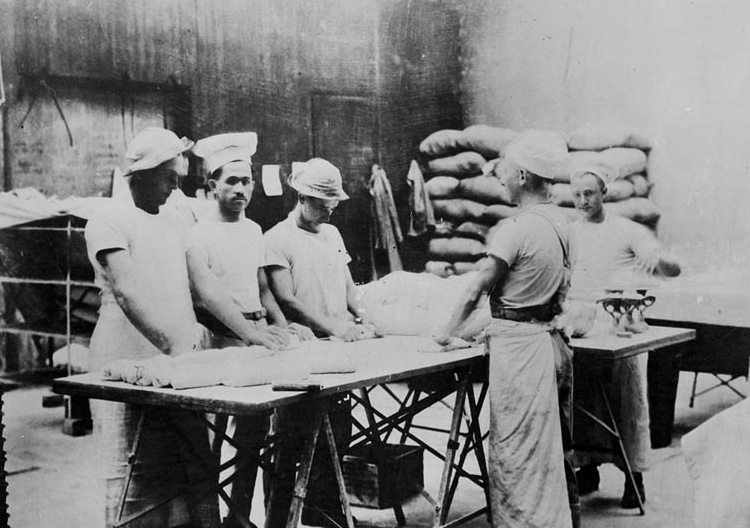
Block raised awareness about exploitative ‘bakers boardinghouses’, extreme heat and exhaustion inside the bakeries and low quality of life for the workers.
Following a tumultuous first couple of years tying to establish the Union, Block submitted to a small group of loyalists a plan for a newspaper devoted solely to the education and organization of the journeyman bakers.
“It worked, in fact it created wonders,” Block later wrote of the result. “The Union was growing and it was decided to call a convention of all other Bakers’ Unions of the country to take place January 13, 1886, in Pittsburgh, Pa.”
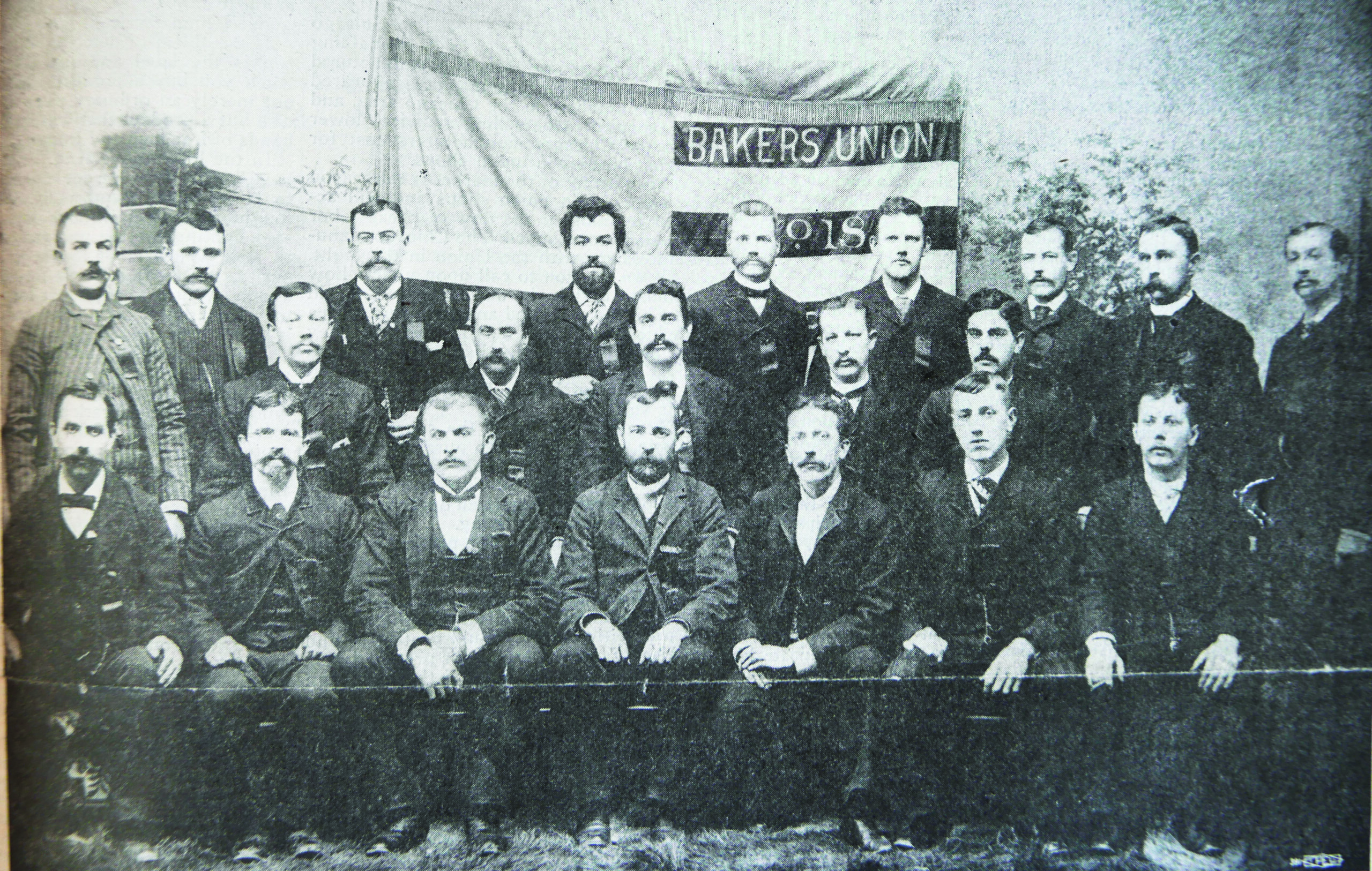
At the Convention, a national brotherhood was adopted under the name Journeyman Bakers’ National Union. George Block was elected as its National Secretary and editor of the Journal, which became the property of the National Union.
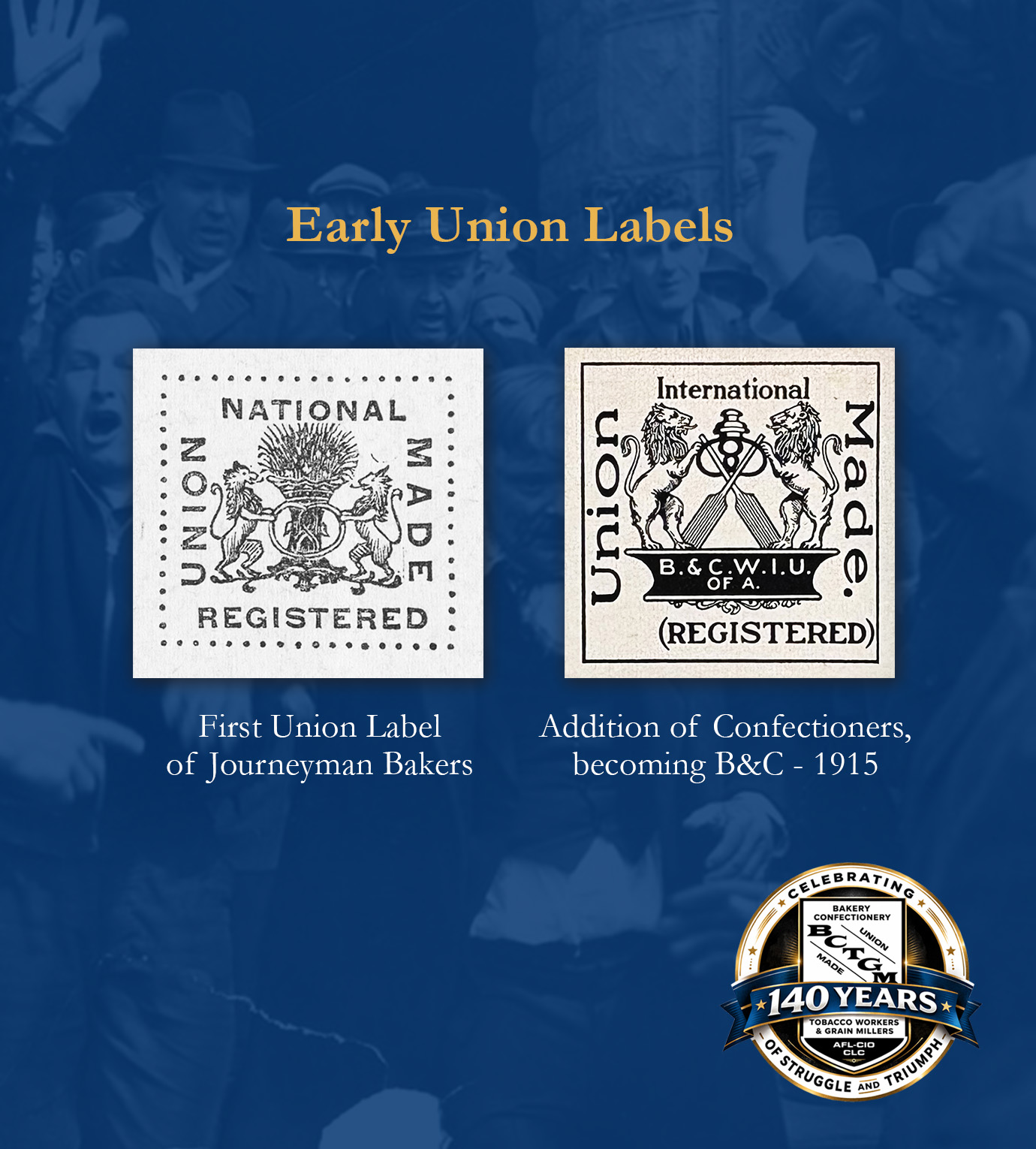
In the ensuing years, the Union would add candy and confectionery workers to its ranks, becoming the Bakery and Confectionery Workers (1915), split off to form a competing American Bakery and Confectionery Workers International Union (ABC) (1957), and eventually merge back together as the Bakery and Confectionery (B&C) Workers International Union (1969).